Typical length15,000 m
14,058Hurdle heights
5,474Pool tables
Mid-sized valley glacier
The world's least useful encyclopedia
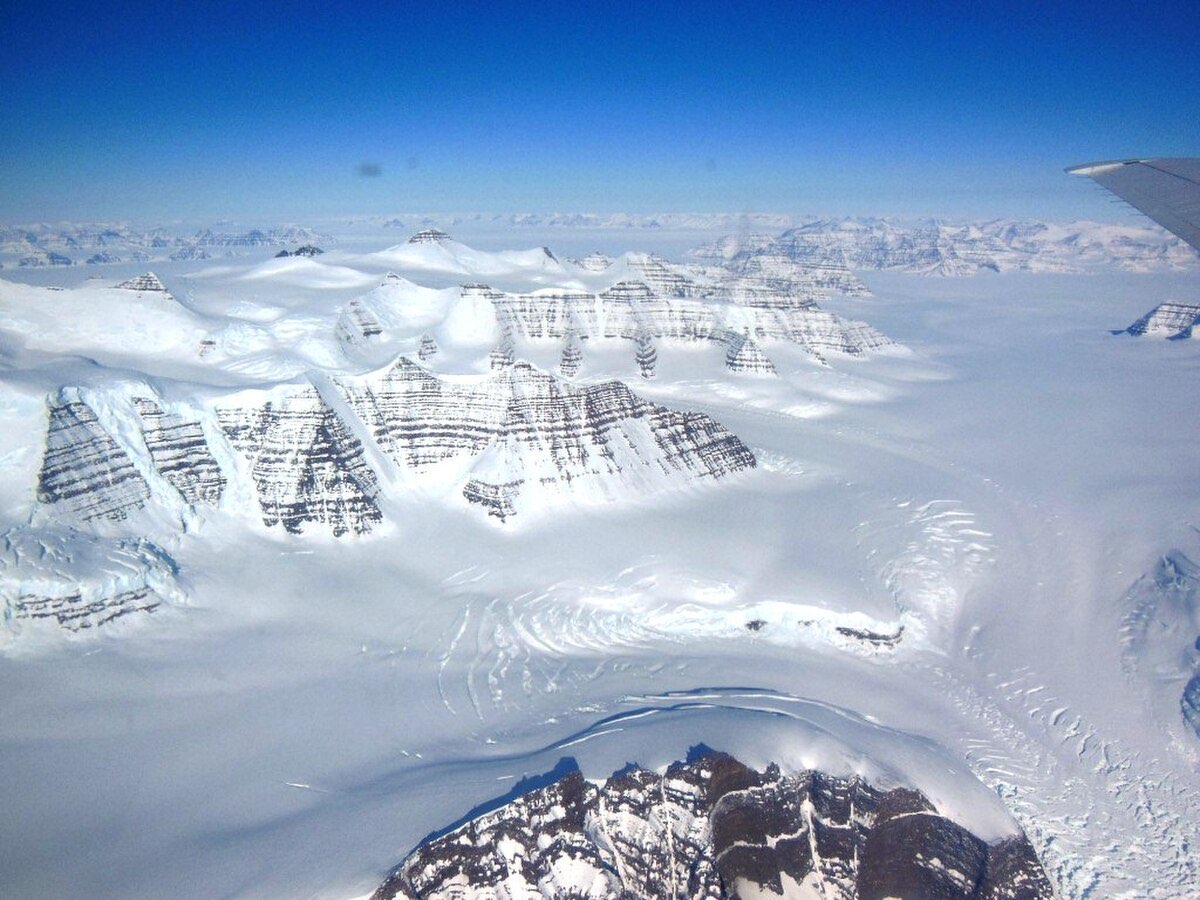
Photo from Wikimedia Commons
A slow-moving river of ice carved into mountain valleys/Nature & Natural Wonders
A typical valley glacier (also called an alpine glacier) is a river of compacted ice flowing down a mountain valley under its own weight. A mid-sized valley glacier might be 10-30 km long, 0.5-2 km wide, and 100-300 m thick. Glaciers form when annual snowfall exceeds melting over many years, compressing snow into glacial ice. They move at about 0.1-2 m per day through a combination of internal deformation and basal sliding. Valley glaciers worldwide are retreating at accelerating rates due to climate change.
Mid-sized valley glacier
In the main valley
Average ice depth
15 km2
About 1 m per day
At the pressure melting point