Sea area637 billion m^2
707,778Airport runways
4.2 quadrillionPinky fingernails
1.7 trillionCornhole boards
The world's least useful encyclopedia
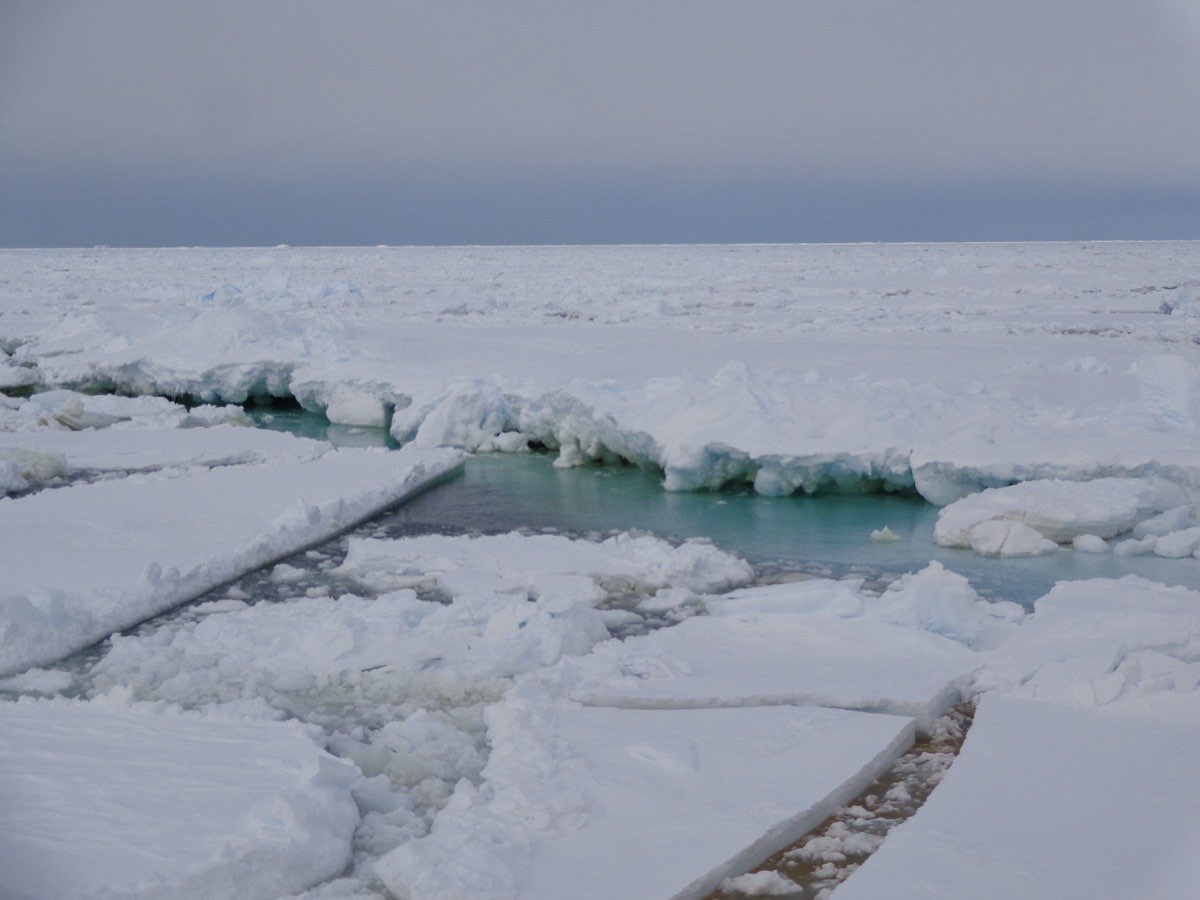
Photo from Wikimedia Commons
The 'last ocean,' the least altered marine ecosystem on Earth/Water
The Ross Sea is a deep bay in the Southern Ocean off Antarctica, often called 'the last ocean' because it is considered the least human-altered marine ecosystem remaining on Earth. Covering approximately 637,000 square kilometers, it supports an extraordinarily productive food web: roughly 38% of the world's Adelie penguins, 26% of emperor penguins, and about 30% of Antarctic petrels depend on it. The Ross Ice Shelf at its southern end is the largest floating ice shelf on Earth, roughly the size of France. In 2016, an international agreement established the Ross Sea Marine Protected Area, the world's largest at 1.55 million square kilometers.