Summit elevation8,849 m
5,822Dolly Partons
6,321Foosball tables
13,207Flute lengths
Above mean sea level, as measured in 2020 by China and Nepal
The world's least useful encyclopedia
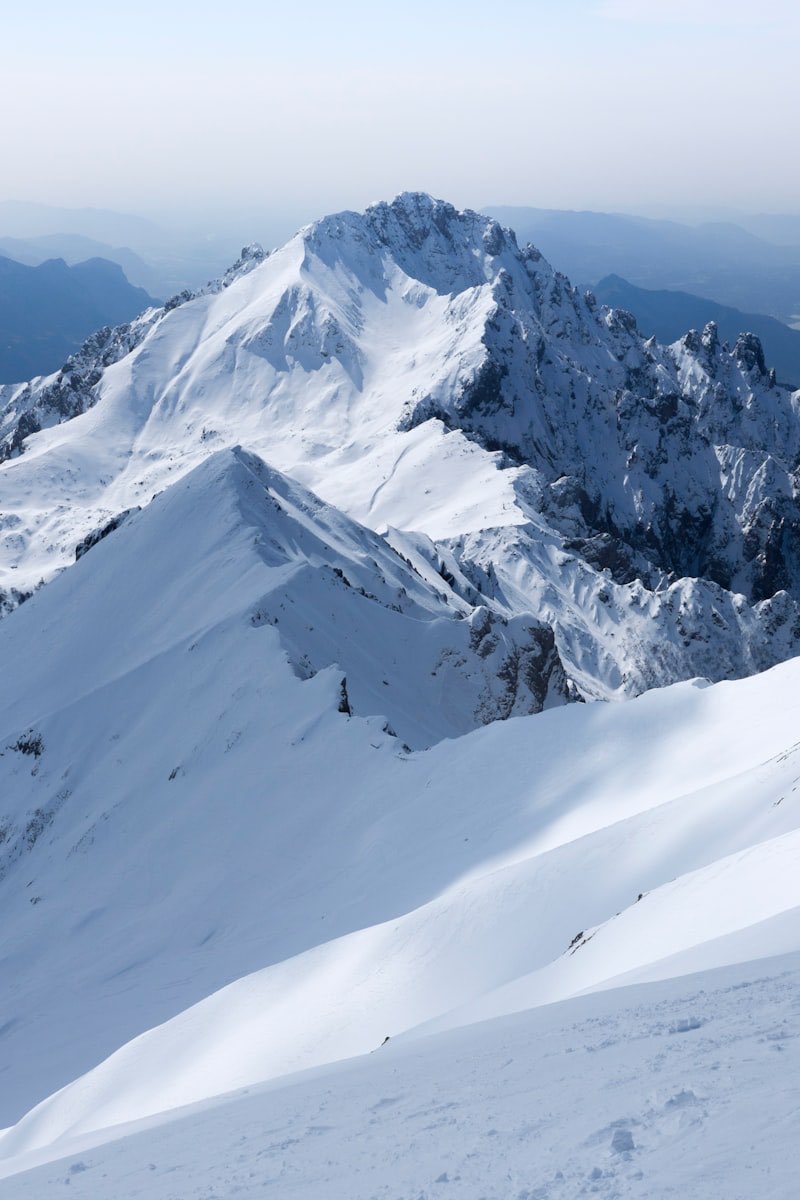
Photo by Alessio Soggetti on Unsplash
The highest point on Earth's surface/Mountains
Mount Everest sits on the border of Nepal and Tibet, topping out at 8,849 meters above sea level. Its summit is literally the closest point on Earth's surface to the edge of the atmosphere. The mountain gains about 4 millimeters per year thanks to ongoing tectonic uplift, so it's not done growing yet.
Above mean sea level, as measured in 2020 by China and Nepal
Rough geological estimate of the mountain above base elevation
Approximate circumference at the base
Roughly -45 degrees C; can drop much lower in winter
About one-third of sea-level pressure
Topographic prominence equals full height since it is the world's highest peak
Jet-stream winds frequently exceed 150 mph at the summit