Polyp diameter2 thousandths m
833 millionthsCorn stalk heights
2.7 hundredthsLipstick tubes
2 thousandthsGuitar lengths
1-3 mm
The world's least useful encyclopedia
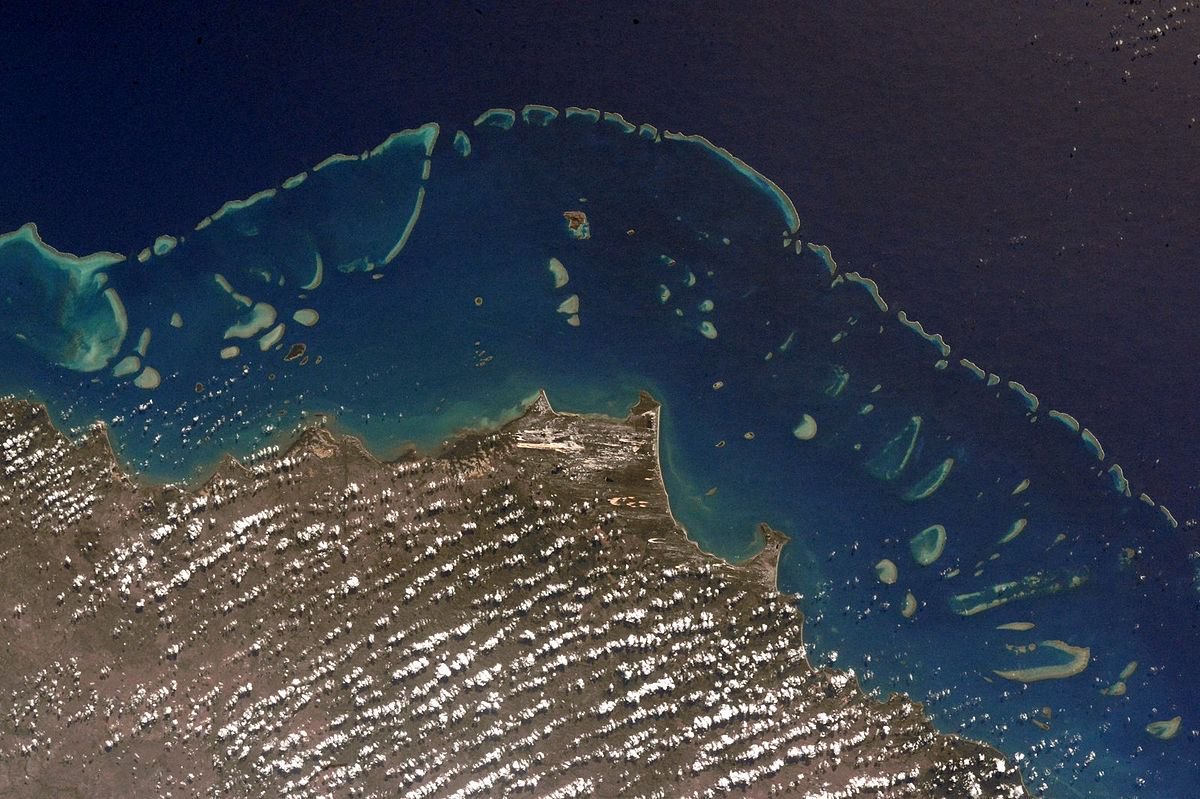
Photo from Wikimedia Commons
The tiny animal that built a structure visible from space/Marine Life
A single coral polyp is typically 1-3 mm in diameter, yet colonies of these tiny animals built the Great Barrier Reef, which stretches 2,300 km and is the largest living structure on Earth. Each polyp secretes a limestone skeleton at a rate of about 1 cm per year. Polyps feed at night by extending tentacles to catch plankton. They also host symbiotic algae (zooxanthellae) that provide up to 90% of their energy through photosynthesis.
1-3 mm
2,300 km
344,400 km^2
About 1 cm per year
About 20,000 years (current form)