Duration of one beat8 tenths s
317 millionthsTV episodes
3.8 hundredthsMammal pees
About 0.8 seconds at resting heart rate
The world's least useful encyclopedia
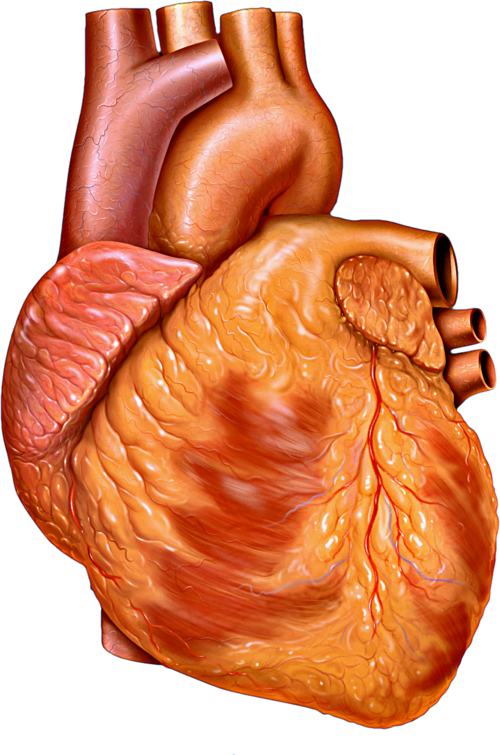
Photo from Wikimedia Commons
The 0.8-second rhythm that keeps the whole show running/Events & Phenomena
A single human heartbeat lasts about 0.8 seconds and generates roughly 1.3 joules of energy — enough to lift a 130-gram object one meter. The heart contracts with a force of about 1.5 newtons and pushes about 70 milliliters of blood per beat. Over a 75-year lifetime, the heart beats approximately 2.5 billion times without taking a single break, pumping enough blood to fill about 200 train tanker cars. It is the most reliable pump ever engineered — by nature.
About 0.8 seconds at resting heart rate
Left ventricle squeeze force
About 1.3 joules per contraction
About 70 mL of blood per beat
About 120 mmHg; normal blood pressure
About 1.5 watts at rest; the body's tireless engine
About 70 beats per minute